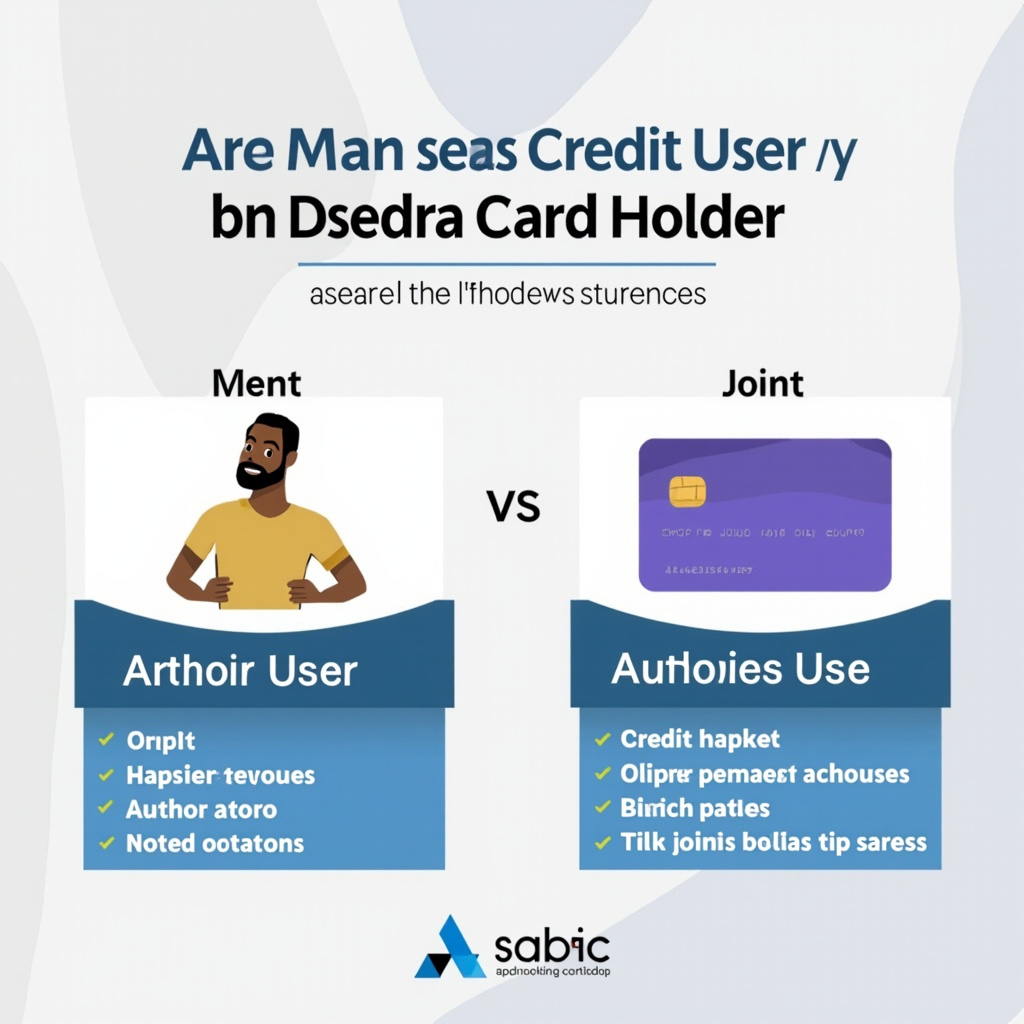
**Authorized User vs Joint Credit Card Holder: Understanding the Key Differences**
When it comes to credit cards, two popular options for individuals with limited or no credit experience are Authorized User (AU) and Joint Credit Card Holders. While both options can be beneficial, they differ significantly in terms of financial responsibilities, benefits, and costs.
**Authorized User (AU)**
As an Authorized User on a joint credit card account, you become responsible for paying the credit card balance, including any interest charges, fees, or late fees incurred by the primary cardholder. To qualify as an AU, you must:
* Be at least 18 years old
* Have a valid Social Security number or Individual Taxpayer Identification Number (ITIN)
* Not be a joint account holder with the credit card issuer
As an AU, your responsibility is limited to making on-time payments and reporting income. You will not have access to the primary cardholder’s credit limit, and you cannot make purchases without their permission.
**Joint Credit Card Holder**
In contrast, a Joint Credit Card Holder (JCH) is a person or entity that shares ownership of the credit card account with the primary cardholder. JCHs are typically business partners, spouses, or family members who share financial responsibilities for the account.
To become a JCH on a joint credit card account:
* Be at least 18 years old
* Have a valid Social Security number or ITIN
* Not be in default on any other credit accounts
As a JCH, you will have access to the primary cardholder’s credit limit and can make purchases, pay bills, and manage the account. However, you will still be responsible for paying the full balance if you fail to do so.
**Financial Impact**
When using an Authorized User or Joint Credit Card Holder, it’s essential to understand the financial implications:
* If you’re an AU, interest charges may accrue on your outstanding balance over time, potentially leading to higher debt.
* As a JCH, you’ll be responsible for paying off any outstanding balances if they go past due, which can result in negative credit reporting and potential damage to your credit score.
**APR Figures**
To give you an idea of the costs involved:
* An Authorised User with a joint credit card account might pay an APR ranging from 20% to 24%, depending on the credit card issuer’s terms.
* A Joint Credit Card Holder may face an APR of 15% or lower,
Leave a Reply