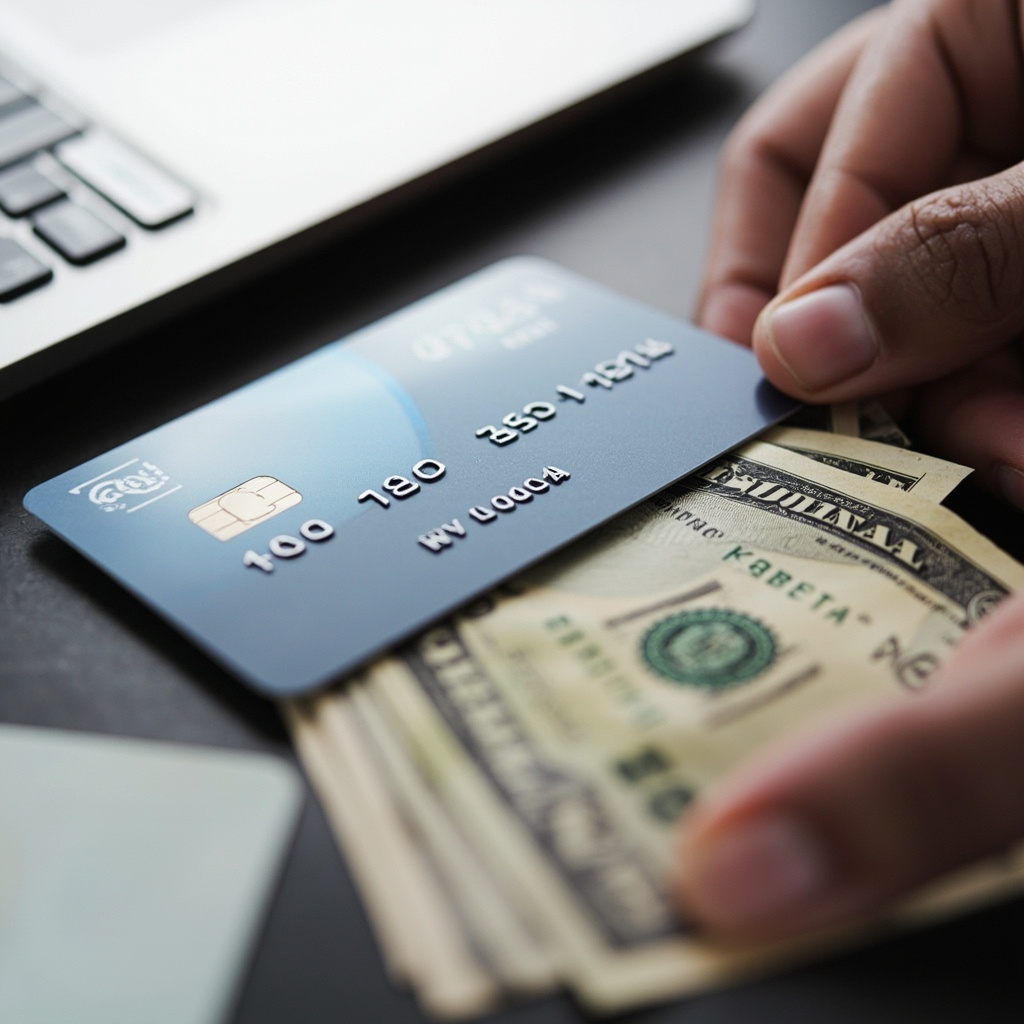
**Protecting Yourself from Credit Card Fraud: Understanding What Banks Cover**
Credit card fraud is a growing concern for consumers worldwide, with millions affected each year. While it’s impossible to eliminate the risk entirely, knowing what banks actually cover can help you stay safe and protect your financial well-being.
**What Banks Cover**
Most credit cards issued by major banks in the United States, such as Chase, American Express, and Bank of America, offer some level of protection against unauthorized transactions. The specifics may vary depending on the bank and card type, but here are some general details:
* **Zero-liability policies**: Many banks agree to cover up to $50,000 in unauthorized transactions per year. This means you won’t be liable for losses above this amount.
* **Card freeze**: Banks often lock your account if suspicious activity is detected, giving you time to investigate and resolve the issue.
* **Transaction monitoring**: Banks may also flag transactions that seem unusual or suspicious, allowing you to review and respond promptly.
**APR Figures**
The Annual Percentage Rate (APR) for credit cards can be a useful metric. For example:
* **Chase Freedom Unlimited**: 21.49% – This card has no foreign transaction fees and an annual fee of $0.
* **American Express Blue Cash Preferred**: 15.24% – This card offers 6% cash back on groceries, 3% on gas, and 1% on everything else.
**Real-World Examples**
To illustrate the concept, let’s look at a real example:
Suppose you use your Chase Freedom Unlimited card for a $500 purchase online and discover it wasn’t authorized. Bank of America would likely cover up to $50,000 in this case, and you wouldn’t be liable for any excess amount.
**Actionable Advice**
While knowing what banks cover is essential, it’s equally important to take proactive steps to protect yourself from credit card fraud:
* **Monitor your accounts regularly**: Keep a close eye on your statements for suspicious transactions.
* **Keep your account information up-to-date**: Update your address, phone number, and social security number to prevent unauthorized access.
* **Be cautious with online transactions**: Avoid using public Wi-Fi or unsecured networks to make online purchases.
* **Report suspicious activity promptly**: If you suspect a crime has been committed, report it to the Federal Trade Commission (FTC) immediately.
By understanding what banks cover and taking proactive steps to protect yourself from credit
Leave a Reply